





Hey there, have you ever stumbled across a character in history books and thought, “Why haven’t I heard more about this person?” Well, buckle up because Charles Cavendish-Bentinck is one of those fascinating figures who played a crucial, albeit quieter, role in the story of the British monarchy. While he might not be a household name like Queen Victoria or Winston Churchill, his legacy lives on, especially if you trace the royal family tree.
Early Life and Background
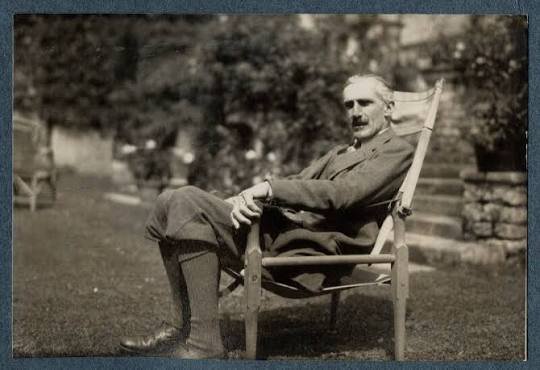
Let’s kick things off with a journey back to London on the 8th of November, 1817. The bustling streets of the capital were the backdrop for the birth of Charles Cavendish-Bentinck. Born into the illustrious Bentinck family, Charles arrived with a prestigious lineage already stamped on his future. Part of a family with connections to the Dukes of Portland, Charles’ story is intertwined with some of Britain’s most prominent aristocratic circles.
Now, you might be wondering, what’s so special about his family? Well, think of them as the who’s who of the British elite back then. It’s a bit like growing up with famous musicians or artists as your cousins—Charles walked among British royalty before his descendants would officially join the monarchy. Already intrigued? Let’s keep unraveling this noble tapestry.
Clerical Career in Bedfordshire
Picture this: You’re living in the 19th century, and each Sunday, you wander into your local church in Bedfordshire. Who do you find delivering the sermons? None other than Charles Cavendish-Bentinck, whose voice carried both the wisdom of a devoted priest and the weight of his prestigious surname. As an Anglican clergyman, Charles dedicated his life to serving as a priest in the Church of England, tending to the spiritual needs of his community.
His career was spent in Bedfordshire, where he held several important church livings. But what’s living, you ask? Basically, it’s a position within the church that provided Charles with both a place to live and the funds to support his ecclesiastical mission. This was a lifetime of devotion and commitment to faith that, though quietly led, left a mark on those around him. Think of it as a backstage pass to the 19th-century religious scene, where Charles was a key player shining behind the pulpit.
Family Connections to Royalty
The real headline in Charles’ life story, though, is his lasting connection to British royalty. Imagine the moment you realize your grandfather wasn’t just any clergyman but was, in fact, the maternal grandfather of Queen Elizabeth the Queen Mother. This makes him the great-grandfather of Queen Elizabeth II—the renowned monarch who ruled with grace and strength for over seven decades.
A family tree is often just a series of branches, but in Charles’ case, it’s much more like the roots of an impressive oak, supporting the entire structure of the modern royal family. From Charles, the lineage flows directly to the Queen Mother, an iconic figure in her own right, who then bestowed that legacy onto Queen Elizabeth II. It’s kind of like connecting the dots between historical episodes, forming a transformative portrait of the royal family as we know it. His familial ties make Charles a hidden gem in the elaborate jewelry box of Britain’s history.
Genealogical Significance
If you’re a genealogy aficionado, Charles Cavendish-Bentinck might already be on your radar. For those intrigued by family histories and ancestral stories, Charles offers a goldmine of connections. Multiple genealogy and biographical sources highlight his life and timelines, piecing together the intricate web of his family bonds.
Genealogy enthusiasts often light up over Charles because charting his lineage is like embarking on a historical treasure hunt. His existence is richly documented, with birth and death records solidifying his place in the annals of history. Just like how deciphering a complex puzzle brings satisfaction, uncovering Charles’ genealogy offers a deep sense of discovery and completion to those who love tracing historical ties.
Distinctions from Other Family Members
Here’s an important piece of trivia that might save you from family tree confusion—all Charles Cavendish-Bentincks are not created equal. Throughout history, there have been a few Charles Bentincks, and it’s easy to mistake one for another in the dusty pages of ancestry books. Our Charles, the clergyman born in 1817, should not be confused with the earlier Lord Charles Bentinck.
This necessary distinction helps to clear up any possible identity mix-ups and ensures we’re shining a spotlight on the correct great-grandfather of Queen Elizabeth II. So, the next time you’re impressing your friends with royal family facts, you can rest assured that you’ve got your Charles Cavendish-Bentinck details straightened out. After all, in the grand game of historical genealogy, getting the names right is half the battle!
Conclusion
As we wrap up this fascinating journey through history, it’s clear there’s so much more than meets the eye when it comes to Charles Cavendish-Bentinck. You’ve unearthed the story of a devout clergyman whose legacy quietly supports some of the most well-known figures in British history. With a life filled with service, familial ties, and historical intrigue, Charles’ contributions to royal lineage remind us that not all significant players make the headlines.
His narrative may not always be front and center, but it’s the stories of figures like Charles that form the backbone of history. Hopefully, you’re leaving with newfound knowledge and appreciation for this unique contributor to royal heritage—a lineage rich in history, tradition, and a few surprises. And if you’re in the business of learning more about stories and figures worth knowing, start diving deeper into history with resources like this one that help connect the past to the present!
Read Also: