






The name Schiaparelli carries enormous weight in fashion history. Most people associate it with Elsa Schiaparelli, the Italian designer who brought Surrealism into clothing and invented the color “shocking pink.” But behind that legacy is a quieter story — one that runs through three generations and touches modeling, photography, film, and high society.
At the center of that story is Gogo Schiaparelli, Elsa’s only daughter. She was not a designer or a public creative figure, but she was the link connecting one of fashion’s most celebrated names to two of its most recognized women. This article covers who Gogo was, where she came from, and why her name still appears across fashion archives, genealogy records, and family histories today.
Who Gogo Schiaparelli Was
Gogo Schiaparelli was born in 1920. She was the only daughter of fashion designer Elsa Schiaparelli. Her formal birth name was Maria Luisa Yvonne Radha de Wendt de Kerlor — a long and formal name that rarely appears in casual historical references.
In various records and archives, she is also listed as Gogo Schiaparelli Berenson, Gogo Schiaparelli Valvrojenski, and Marchesa Cacciapuoti di Giugliano. These different names reflect her birth identity, her marriages, and aristocratic titles she carried at different points in her life.
By most historical accounts, Gogo was an Italian socialite. She did not build a public career in fashion, art, or entertainment. Her place in history rests on her family position — as Elsa’s daughter and as the mother of two women who became prominent in their own right.
Her Father and the Early Family History
Gogo’s father was Count William de Wendt de Kerlor. Elsa met him in London and the two married in 1914. The marriage eventually dissolved, and Elsa found herself raising Gogo largely on her own after the family relocated to New York.
That period was a defining one for Elsa. She had to support herself and her young daughter while also finding her footing professionally. It was during these years that she began working in fashion, eventually building the couture house that would make her name famous.
Gogo’s aristocratic titles in later records likely reflect her father’s family background and her own marriages. The connection to European aristocracy placed the family within cosmopolitan social circles that spanned both sides of the Atlantic during the early twentieth century.
Gogo’s Childhood, Her Nickname, and a Serious Illness
Gogo’s early years were not without difficulty. As a child, she was diagnosed with polio and traveled to Switzerland for treatment. The illness was a significant event not just for Gogo, but for Elsa as well. Elsa had to manage the demands of caring for her daughter while continuing to establish herself professionally.
The nickname “Gogo” has its own story. According to biographical accounts of Elsa’s life, the name reportedly came from a childhood habit — Gogo would repeat the word “go” when Elsa left the house. This detail appears in several biographical sources covering the Schiaparelli family. It should be understood as a reported family anecdote rather than a verified historical fact, but it has been repeated consistently enough that it forms part of the accepted family narrative.
Whatever its exact origin, the nickname stuck. “Gogo” became the name by which Elsa’s daughter is most commonly identified in historical records, image archives, and fashion histories — far more so than her formal birth name.
Why She Appears Under So Many Different Names
If you search for Gogo Schiaparelli in genealogy databases or historical archives, you may find records that look like they belong to different people. That is not unusual for women from her era and social background.
Historical figures — especially women from aristocratic or socially mobile families — often appear under several different names across their lifetimes. Those names can include a birth name, a mother’s well-known surname, names from one or more marriages, and formal titles. For Gogo, all of these apply.
Here is a simple way to understand her recorded names:
- Maria Luisa Yvonne Radha de Wendt de Kerlor — her formal birth name, taken from her father’s family
- Gogo Schiaparelli — the informal name she became known by, using her mother’s surname
- Gogo Schiaparelli Berenson and Gogo Schiaparelli Valvrojenski — names associated with her marriages
- Marchesa Cacciapuoti di Giugliano — an aristocratic title associated with her later records
A reader searching “Maria Luisa de Wendt de Kerlor” may not immediately realize the record refers to Gogo Schiaparelli. Knowing the connection helps when tracing her through different sources. It is also worth noting that aristocratic titles like “Marchesa” should not automatically be treated as a single consistent legal identity — titles were used differently across sources, countries, and time periods.
Gogo’s Daughters: Marisa and Berry Berenson
Gogo’s most significant connection to public life comes through her two daughters. She was the mother of Marisa Berenson and Berinthia “Berry” Berenson.
Marisa Berenson became one of the most recognized models and actresses of the 1960s and 1970s. She appeared in major fashion magazines and took on film roles that brought her international attention. She is probably the most widely known member of the family after Elsa herself.
Berry Berenson built her career as a photographer and actress. She was less prominent in mainstream media than Marisa but was respected within creative and artistic circles.
Together, Marisa and Berry represent the continuation of the Schiaparelli family’s presence in fashion, culture, and public life. That three-generation line — from Elsa’s design work, through Gogo’s social world, to her daughters’ careers in modeling and photography — is what gives Gogo her lasting historical significance.
The simplest way to map the family is this:
- Elsa Schiaparelli → daughter: Gogo Schiaparelli
- Gogo Schiaparelli → daughters: Marisa Berenson and Berry Berenson
Gogo’s Place in the Broader Schiaparelli Story
It would be easy to overlook Gogo in a family filled with more publicly documented figures. Elsa was a pioneer. Marisa was a star. Berry was a respected creative. Gogo sits between them, and most of what we know about her appears in the margins of biographies written about the others.
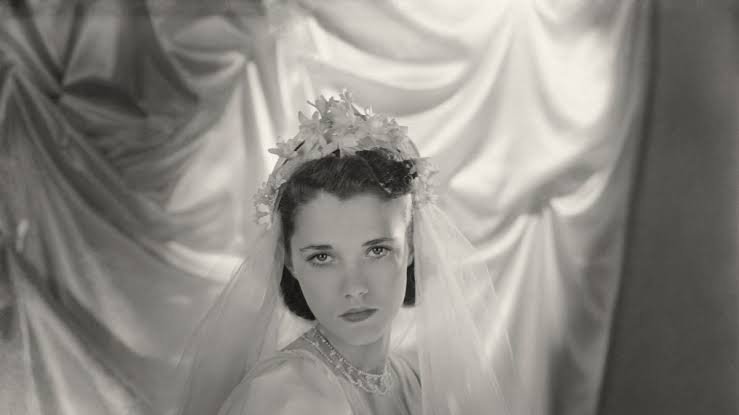
A 1936 portrait of Gogo — listed in archival records — identifies her as the daughter of Elsa Schiaparelli and describes her as an Italian socialite born in 1920. Archival photographs also show her with Elsa at Monte Carlo and in other social settings. These images confirm that she was part of the fashionable European social world her mother moved through, even if she was not a public figure in the same way Elsa was.
Her story is not unusual for someone in her position. She was the child of a famous parent and the parent of famous children. People like Gogo often hold historical importance not because of what they personally accomplished in public, but because of who they connected and what they passed on.
For those researching celebrity family histories and cultural genealogies — the kind of research that platforms like Startbusinessbase help readers explore — Gogo is a useful reminder that legacy rarely travels in a straight line. It moves through people who may not be famous themselves but are essential to the story.
What We Know and What Remains Limited
Gogo Schiaparelli is not a figure with a detailed public biography. The available record does not include confirmed information about her education, her residences over time, the exact dates of her marriages, or her death. Most of what is known comes from references in Elsa’s biography, image archives, genealogy databases, and fashion histories.
That is worth acknowledging plainly. She was not a fashion designer. She did not run the Schiaparelli house. The sources do not support the idea that she had a significant independent public career. What they do support is her identity as Elsa’s only daughter, her aristocratic social world, her marriages and the names that came with them, her childhood illness, and her role as the mother of Marisa and Berry Berenson.
For a family that shaped so much of twentieth-century fashion and culture, that is a meaningful place to occupy — even if it is a quiet one.
Conclusion
Gogo Schiaparelli was born Maria Luisa Yvonne Radha de Wendt de Kerlor in 1920, the only child of the Italian fashion designer Elsa Schiaparelli and Count William de Wendt de Kerlor. She grew up across Europe and the United States, survived a childhood bout of polio, and became known by a nickname that outlasted all her formal names.
She appears in records under at least four different names, which can make tracing her history a little complicated. But the core of her story is straightforward. She was the bridge between one of fashion’s greatest designers and two women — Marisa and Berry Berenson — who carried the family’s visibility into a later era.
Read Also: